Neurology is one of the most dynamic and scientifically promising therapeutic areas in clinical research today. With advances in treatments for Alzheimer’s disease, Parkinson’s, multiple sclerosis, ALS, and rare neurodegenerative disorders moving at an unprecedented pace, the pipeline has never been fuller. Yet Sponsors and CROs working in this space face a persistent and well-documented challenge: patients with neurological conditions are among the hardest to recruit, retain, and serve within a traditional site-based trial model.
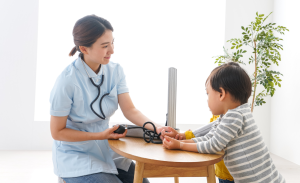
The solution, increasingly, lies in Clinical Trial Home Nursing, a model that brings the trial to the participant rather than requiring the participant to reach the trial. Below I explore, why home health and hybrid clinical trial models matter so profoundly for neurology.
The Neurological Patient Population Has Inherent Mobility Challenges
The fundamental challenge in neurological trials is one that Sponsors cannot design their way around: the conditions being studied directly impair the participants’ ability to travel. Participants living with conditions like Parkinson’s disease, multiple sclerosis, Amyotrophic Lateral Sclerosis (ALS), or advanced dementia may face significant physical limitations, fatigue, and unpredictable symptom fluctuation, making repeated site visits genuinely difficult, sometimes even impossible. Travel to and from a handful of highly specialized trial sites can, therefore, be a prohibitive barrier for the vast majority of eligible participants who are not located nearby.
This is not merely a logistical inconvenience; it is a structural exclusion that limits both the pace of enrollment and the representativeness of the trial population. Home nursing eliminates this barrier at its source by bringing qualified clinical research expertise directly to the patient’s home.
Caregiver Burden: A Multiplied Problem in Neurology
It is not just the participants themselves that we need to consider. When it comes to neurological trials, patients rarely navigate trial participation alone, meaning the burden ultimately falls on two or more people, not just one. Caregivers and family members are frequently required to accompany participants to site visits, coordinate transport, manage symptom flares during travel, and take time away from their own jobs, home lives, and other personal responsibilities. For trials that require frequent study visits, the emotional, physical, and financial burden of supporting participants can add up over time.
Ignoring the full burden on families and caregivers in neurology trial participation means Sponsors are effectively planning and designing trials with attrition in mind. Remote nursing addresses this holistically, reducing the logistical and emotional load on the entire household or support network.
Protocol Complexity in Neurology Demands a Smarter Approach
Neurology protocols are among the most procedurally demanding in clinical research. MRI, cognitive assessments, functional rating scales, lumbar punctures, and potentially complex infusion therapies all place significant demands on participants and their families. These kinds of procedures can also be uncomfortable or scary to undergo, especially for pediatric participants, and especially when carried out in an unfamiliar setting. As a result, when a study requires multiple invasive procedures over its duration, the cumulative burden can become a decisive factor in the participants decision to withdraw from a study.
Sponsors must ask at the protocol design stage: how will the demands of this study affect a neurological participant’s ability and willingness to stay enrolled? Home nursing can absorb a significant proportion of these procedural visits, reducing the number of site attendances required and making the overall trial experience meaningfully more manageable.
Improved Data Quality
There is a scientific argument for home nursing in neurology that goes beyond patient convenience. A patient’s functional performance in a clinical setting – a controlled, unfamiliar environment often reached after an exhausting journey – may not accurately reflect their real-world status. For neurological conditions in particular, where fatigue, stress, and environmental factors can meaningfully influence observed outcomes, the home setting may produce data that is more representative of how a participant actually functions and responds to the drug. Furthermore, once a drug reaches approval and enters clinical practice, it will be administered in the home – not in a trial site.
Understanding how a therapy performs in that real-world environment during the trial itself is valuable both to the Sponsor and to regulatory bodies reviewing a New Drug Application. Experienced home research nurses can facilitate this by supporting a wide range of in-home procedures, all performed to the same standard as a site visit, with samples processed and shipped on the same day.
Partner with WEP on Your Neurology Program
WEP Clinical has extensive experience delivering Clinical Trial Home Nursing solutions for complex neurology studies, including rare neurodegenerative diseases and Phase 2/3 programs requiring tight turnaround times and specialist clinical oversight. Our global network of qualified research nurses, combined with a proven operating model built around patient centricity, means we can support your study from protocol design through to final participant visit.
If you are designing a neurology clinical trial and want to understand how home nursing could reduce participant burden, support faster enrollment, improve retention, and strengthen your data quality, we would welcome the conversation.